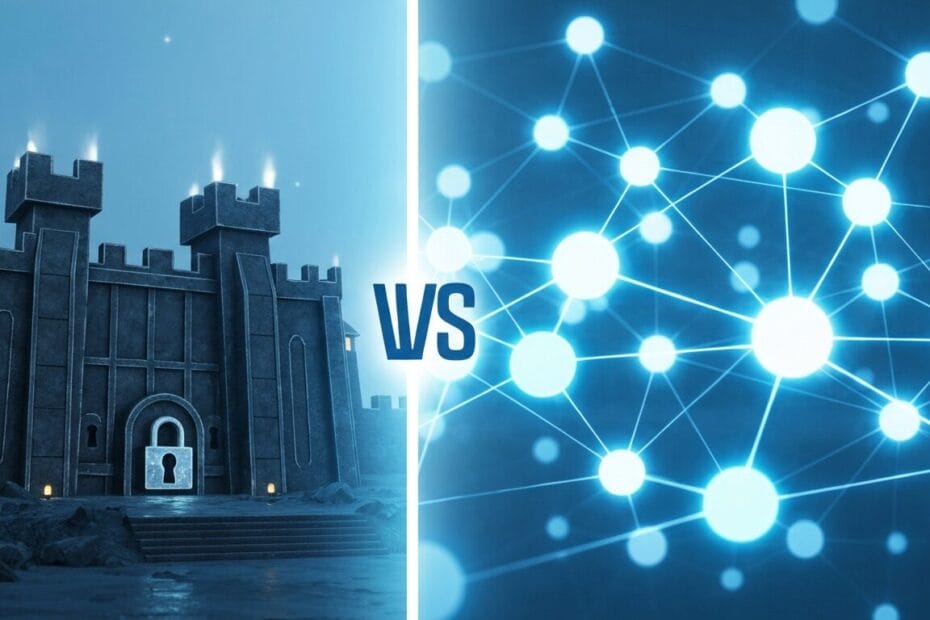
Personally, true Metaverse safety relies on community rules rather than corporate whims.#Web3 #Decentralization
Quick Video Breakdown: This Blog Article
This video clearly explains this blog article.
Even if you don’t have time to read the text, you can quickly grasp the key points through this video. Please check it out!
If you find this video helpful, please follow the YouTube channel “MetaverseTrendsHub,” which delivers daily news.
https://www.youtube.com/@MetaverseTrendsHub
Read this article in your native language (10+ supported) 👉
[Read in your language]
Decoding Meta’s Moderation Shift: What It Means for Safety in the Metaverse
🎯 Difficulty: Beginner Friendly
💎 Core Value: Censorship Resistance / User Empowerment / Decentralized Safety
👍 Recommended For: New Metaverse explorers, content creators concerned about platform policies, and individuals interested in safer virtual worlds
Lila: I’ve been reading about Meta’s recent moderation policy changes, and the blog title “Meta’s moderation change means more bad stuff will get through” really caught my eye. It seems like these shifts could lead to more harmful content in the Metaverse. As someone new to Web3 and virtual spaces, I’m worried about what this means for user safety. Can you explain how Web2 platforms like Meta handle moderation, and why their limitations are pushing people toward Web3 alternatives?
Jon: Absolutely, Lila. Let’s break this down step by step. In Web2, platforms like Meta’s Facebook or Instagram are centralized, meaning a single company controls the servers, data, and rules. Think of it like a private club where the owner decides who enters, what they can say, and how disputes are handled. Recent changes, as highlighted in that Hypergrid Business article from February 2025, involve Meta rolling back some fact-checking and hate-speech policies, potentially allowing more misinformation or harmful content to slip through. This stems from pressures like regulatory scrutiny and internal shifts, as seen in reports from Reuters and The Guardian about playbook tactics to avoid crackdowns on scams and restrictions on sensitive topics like abortion advice or queer content. For beginners, the key issue is trust: in Web2, you’re at the mercy of the platform’s decisions, which can change hastily, as criticized by Meta’s oversight board in April 2025.
Lila: That makes sense—it’s like renting an apartment where the landlord can change the rules anytime. But how does Web3 address this? I’ve heard it’s more decentralized, but I’m not sure what that really means for something like content moderation in a Metaverse.
Jon: Great analogy, Lila. Web3 flips the script by using blockchain technology to create decentralized systems. Imagine Web2 as that rented apartment, where the landlord (the company) owns everything. In Web3, it’s like owning your own house in a community where rules are set by consensus, not a single authority. This censorship resistance means no central entity can arbitrarily silence users or alter content. Drawing from sources like Amnesty International’s February 2025 warning and EFF’s statements, Meta’s policy weakenings increase risks of violence and harm to vulnerable groups. Web3 counters this through composability—building blocks like smart contracts that let users create self-governing virtual worlds. Safety comes from community-driven moderation, not top-down control.
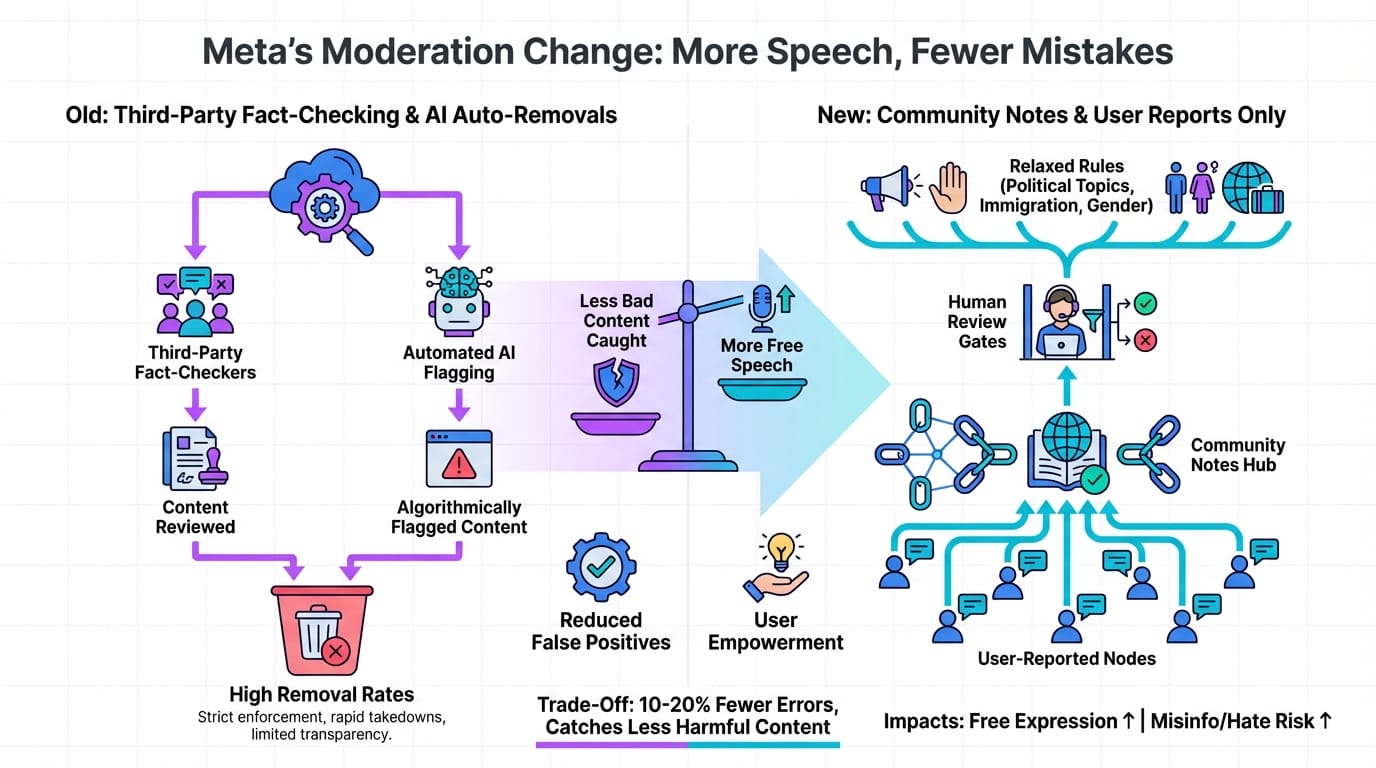
Lila: The diagram helps visualize it—like a network of connected nodes instead of one big server. But for someone just starting, how do basic Web3 tools ensure safety amid these Meta changes? I’m thinking about wallet safety and avoiding scams, especially with reports of Meta making scam ads harder to find.
Jon: Spot on. Let’s use metaphors to onboard this. Your Web3 wallet is like a digital backpack you carry across virtual worlds—it’s yours, not controlled by any platform. Unlike Meta’s ecosystem, where policy shifts (as per Business Insider’s 2025 overview of internal clashes) can expose users to more risks, Web3 emphasizes ownership. For safety, always verify transactions—like checking a backpack’s locks before traveling. Basic concepts include NFTs as digital deeds proving ownership of virtual assets, reducing reliance on centralized moderators. Real-world meaning? In the Metaverse, this means you control your avatar, land, or creations without fear of sudden policy bans, as critiqued in GLAAD’s June 2025 report on increased harmful content post-Meta rollbacks.
Lila: Okay, that ELI5 approach clicks—it’s encouraging to think of Web3 as empowering users. But let’s evolve from Web2 to Web3: how does decentralization specifically improve on issues like the ones in Meta’s moderation overhaul, where misinformation might spike, according to Sustainalytics’ March 2025 analysis?
Jon: Excellent question. Centralized Web2 systems excel at quick moderation but often err on over-censorship or inconsistency, as seen in Meta’s hasty changes leaving up violent posts during UK riots (Guardian, April 2025). Web3’s decentralization distributes power: think of it as a public ledger where everyone can see and verify actions, promoting transparency. Ownership means users truly own their data and assets, resisting arbitrary takedowns. Censorship resistance ensures voices aren’t silenced by corporate whims, and composability allows mixing tools—for example, integrating community voting for moderation. This contrasts with Meta’s move to a Community Notes model (from their January 2025 announcement), which still relies on central oversight and has been flagged for risks by TechPolicy.Press.
Lila: I see the appeal, especially with concerns about Meta fueling mass violence (Amnesty, February 2025). Can you explain the core mechanisms with simple stories? Like, how does this work in a Metaverse setting?
Jon: Sure, let’s storytell. Imagine a Metaverse town hall in Web2: Meta’s the mayor, deciding what flyers get posted. A policy change, like ending third-party fact-checking (Meta’s blog, January 2025), might let false rumors spread. In Web3, it’s a town square with smart contracts—automated rules like a vending machine that dispenses access only if conditions are met. Your wallet acts as a key to your property, and consensus mechanisms (group agreements) handle disputes. For safety, decentralized identity verifies users without central databases, reducing exploitation risks highlighted in the Guardian’s December 2025 piece on account shutdowns.
Lila: Those metaphors make it less intimidating. Now, what are some real use cases where Web3 shines over Meta’s approach?
Jon: Let’s dive into three concrete applications. First, in gaming: Web3 Metaverses let players own in-game items as NFTs, transferable across games—unlike Meta’s walled gardens where policy shifts could devalue assets. Second, digital identity: Users control verifiable credentials, avoiding centralized bans on sensitive content like queer or health advice (Guardian, December 2025). Third, community governance: DAOs enable collective moderation, mitigating risks from Meta’s weakened hate-speech policies (GLAAD, June 2025), fostering safer, inclusive spaces through voting on rules.
| Web2 | Web3 / Metaverse |
|---|---|
| Centralized moderation prone to hasty changes and errors (e.g., Meta’s oversight board criticism) | Decentralized, community-driven rules with blockchain transparency |
| User data owned by platform, vulnerable to policy shifts increasing scams (Reuters, 2025) | True user ownership via wallets and NFTs, enhancing portability |
| Risk of misinformation spikes without fact-checking (Sustainalytics, March 2025) | Consensus-based verification for censorship-resistant truth-seeking |
| Limited interoperability; content siloed | Composability allows seamless integration across virtual worlds |
| Vulnerable to corporate pressures leading to harm (Amnesty, February 2025) | Empowers users and communities for resilient safety mechanisms |
Lila: The table really highlights the contrasts. Wrapping up, what does this enable overall, and what risks remain?
Jon: In summary, Meta’s moderation changes, as analyzed in various 2025 reports, underscore Web2’s fragility, enabling more “bad stuff” through inconsistent enforcement. Web3 empowers true ownership, decentralization, and community control, fostering innovative Metaverses. However, risks like scalability issues or uneven adoption persist—decentralization doesn’t eliminate bad actors, so vigilance is key. Focus on learning protocols and observing ecosystems to build literacy.
Lila: Thanks, Jon. This leaves me reflective: how can individuals contribute to safer Web3 spaces without waiting for big changes?
References & Further Reading
- Meta’s moderation change means more bad stuff will get through
- Meta created ‘playbook’ to fend off pressure to crack down on scammers, documents show | Reuters
- Meta shuts down global accounts linked to abortion advice and queer content | The Guardian
- Meta’s Content Moderation Overhaul: Key Risk Considerations for Investors
- Meta’s new content policies risk fueling more mass violence and genocide
▼ AI tools to streamline research and content production (free tiers may be available)
Free AI search & fact-checking
👉 Genspark
Recommended use: Quickly verify key claims and track down primary sources before publishing
Ultra-fast slides & pitch decks (free trial may be available)
👉 Gamma
Recommended use: Turn your article outline into a clean slide deck for sharing and repurposing
Auto-convert trending articles into short-form videos (free trial may be available)
👉 Revid.ai
Recommended use: Generate short-video scripts and visuals from your headline/section structure
Faceless explainer video generation (free creation may be available)
👉 Nolang
Recommended use: Create narrated explainer videos from bullet points or simple diagrams
Full task automation (start from a free plan)
👉 Make.com
Recommended use: Automate your workflow from publishing → social posting → logging → next-task creation
※Links may include affiliate tracking, and free tiers/features can change; please check each official site for the latest details.